

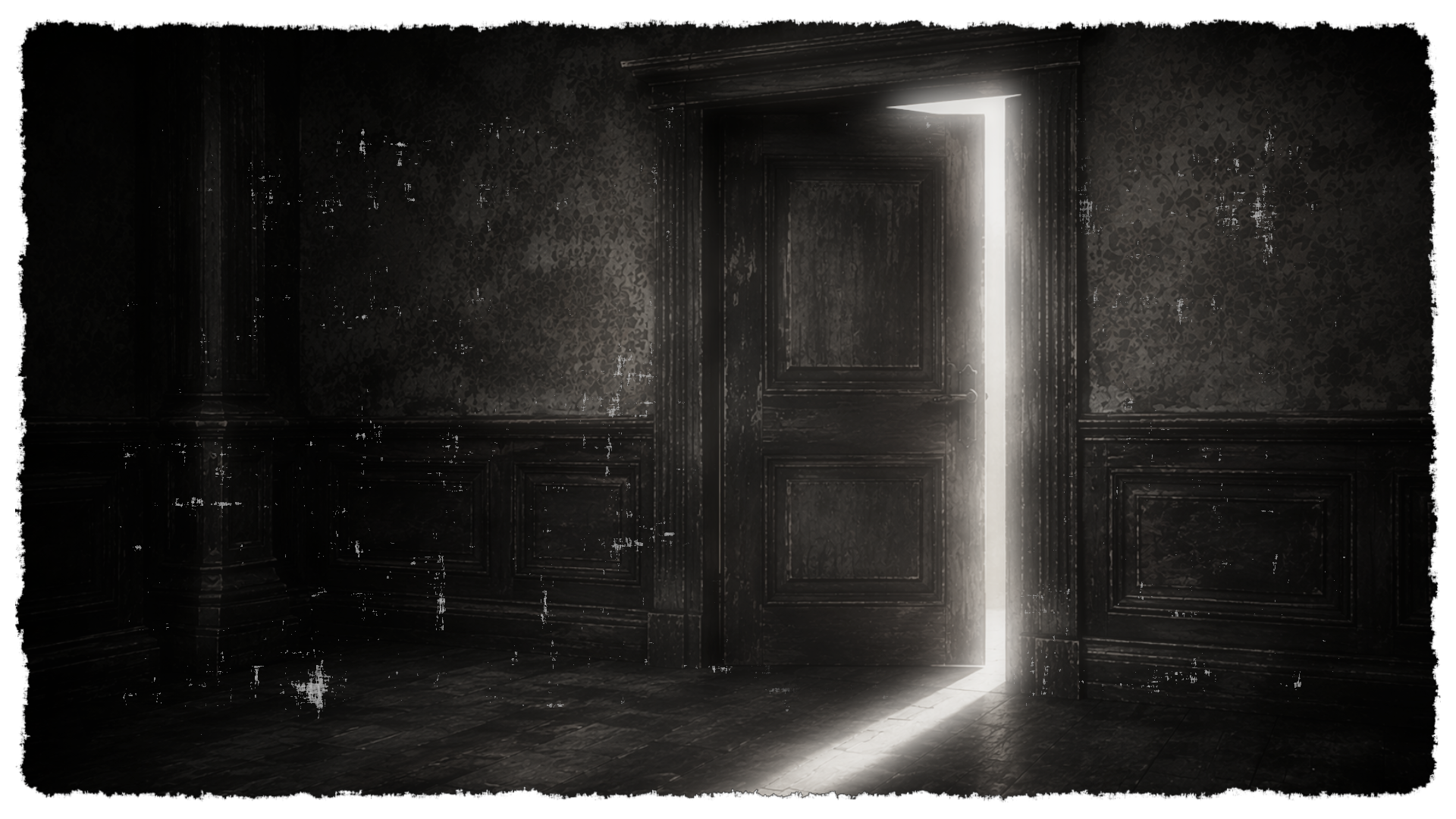
Many people will manage a difficult relationship, a difficult job, even a difficult diagnosis before they will sit still for ten honest minutes with their own faults. Not because the faults are worse than the diagnosis, but because looking at them feels as though it will cost more than it will give back. So the look is postponed, gently and indefinitely, for a peace that never arrives.
The Wrong Kind of Mercy
Beneath that postponement is an unspoken assumption that is rarely examined: that self-knowledge and peace are competitors, that seeing your own faults clearly threatens the fragile truce you have made with yourself, and that a merciful God would surely rather you feel at ease than feel exposed.
This is a common thought; it’s also a backward one.
Discomfort in self-examination is not evidence that something has gone wrong, but is ordinarily the first indicator that something has begun to go right. It is the soul’s initial contact with a truth it was trying to manage rather than face.
The Doorway, Not the Room
Scripture does not soften this. Job spends most of the book reasonably defending himself against friends who falsely accuse him. Then God speaks, and Job’s own account of what follows is not vindication but collapse: “With the hearing of the ear, I have heard thee, but now my eye seeth thee. Therefore I reprehend myself, and do penance in dust and ashes” (Job 42:5–6). Clear sight of God produced clear sight of self, and Job could no longer maintain his former account of either.
Saint John says the same thing more bluntly. To claim that we have no sin is itself the deception. Only the honest admission opens the door to forgiveness: “If we say that we have no sin, we deceive ourselves, and the truth is not in us. If we confess our sins, he is faithful and just, to forgive us our sins, and to cleanse us from all iniquity” (1 John 1:8–9).
This is the distinction that resolves the confusion. Self-knowledge does not sanctify a soul any more than a doorway is the room it opens into. But no one enters a room without passing through its door, and no soul stands honestly before God while still trying to manage the truth about itself.
The desert monks built an entire discipline around this principle. They regularly manifested their thoughts to an elder, not because disclosure was comfortable, but because concealment, however comfortable, kept a man bound to precisely what he refused to name.
Where the Story Ends
In Book VIII of the Confessions, Augustine recounts the crisis that ended years of delay. By then he no longer lacked understanding. He knew the faith, and he understood the disorder of his own will with agonizing clarity. Yet he remained divided between the life he knew God demanded and the habits he was yet unwilling to surrender.
Weeping beneath a fig tree in a garden in Milan, he heard a child’s voice repeating, “Take up and read.” He opened the epistles of Saint Paul and read the command to “put ye on the Lord Jesus Christ, and make not provision for the flesh in its concupiscences” (Romans 13:14). At last, he stopped bargaining with what he already knew. He ceased trying to manage the truth and surrendered to it.
What followed was not despair but the beginning of the rest he had spent half his life failing to find while avoiding the surrender that could have given it to him.
Job’s story does not end in ashes, and Augustine’s does not end in tears beneath the fig tree. The ashes and tears were not the end of peace, but the doorway into it. What both men found on the other side of discomfort was what evasion could not give them: rest in the truth.
Subscribe to The Distant Shore so you don’t miss the weekly essays.
Editor’s Note: This essay is the third in a four-part series exploring the nature of self-deception and the pursuit of self-knowledge. Each essay develops a distinct aspect of the argument before a concluding essay draws the threads together into a practical account of overcoming self-deception through the wisdom of Scripture and the saints.