

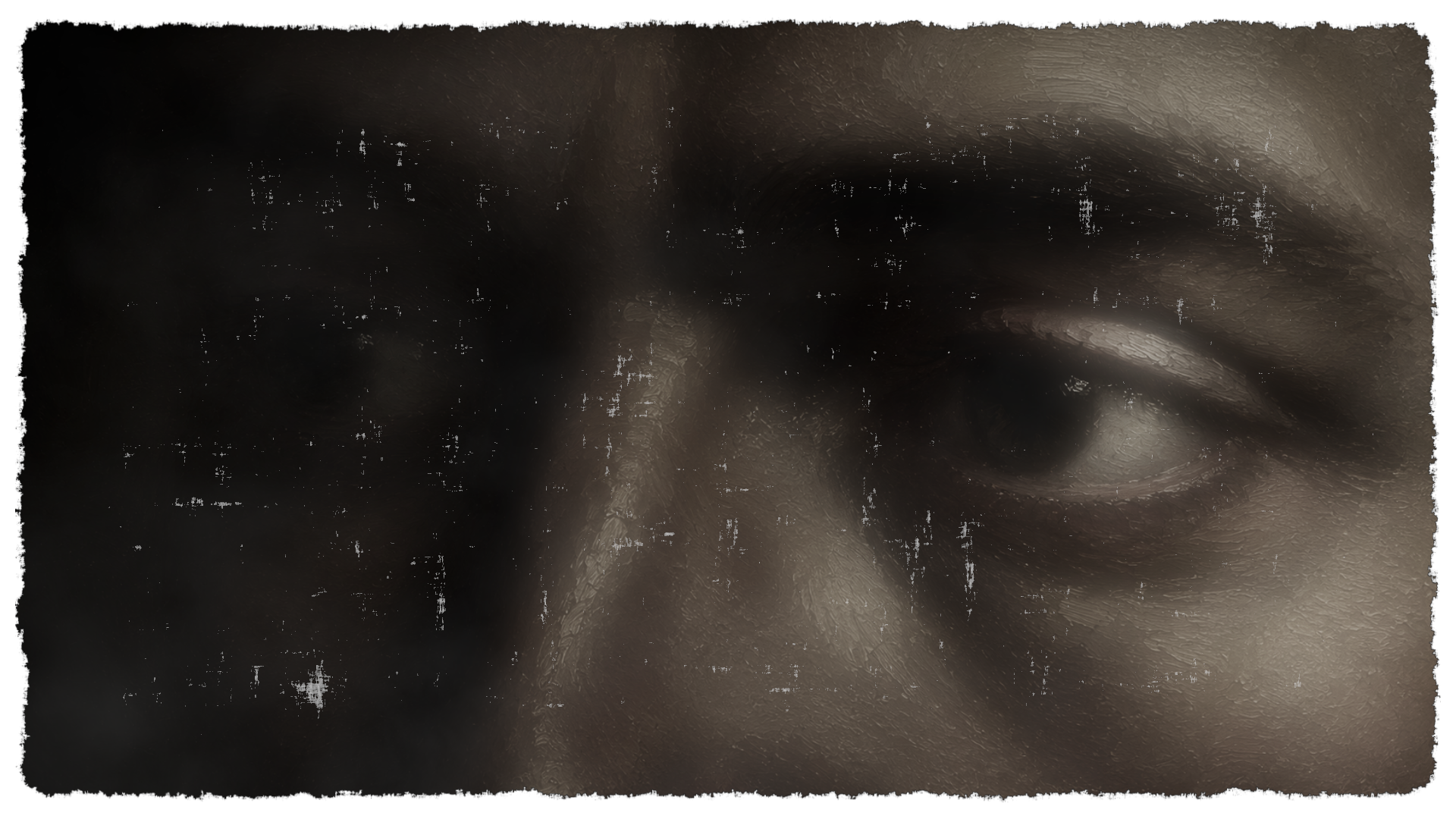
Christ never told us the mote in our brother’s eye was imaginary. He told us to deal with the beam in our own first, “and then shalt thou see clearly to cast out the mote out of thy brother’s eye” (Matthew 7:3–5). This is about order, not denial. The reality of another’s fault is not the question. The question is whether the eye that sees it has learned to see itself.
The last article named the root of self-deception: a will that attaches to something before the intellect has judged it, and an intellect that then goes to work defending the attachment rather than testing it.
What follows are eight common manifestations of this disharmony of intellect and will, found in the quiet of the confessional, around the dinner table, and, yes, online; because while the internet didn’t invent any of this, its combination of raw reach with the tools for either anonymity or self-mythologizing brand-building has only given that disharmony a louder stage.
The Shapes It Takes
Rationalization supplies a respectable reason for a decision already made on other grounds, like the diet that “starts Monday” for the third month running.
Redefinition quietly moves a word until it means whatever keeps you innocent; “harmless” now covers what used to be called “unkind.”
Double standards judge the stranger’s motive and your own actions, but never the reverse; the coworker’s tardiness is laziness, but yours is just a rough morning.
Selective skepticism turns rigorous the moment a claim is unwelcome and credulous the moment it isn’t; the same man who fact-checks every headline that annoys him shares the ones that flatter him unread.
Motivated reasoning decides the verdict first and hires the arguments after, like a jury that reached its conclusion before the evidence.
Tribal loyalty protects one’s team rather than the truth, and grows loudest online, where defending the team becomes a public display of belonging.
Moving the goalposts quietly changes what would have counted as proof, once the original test has failed.
Emotional substitution answers a question about what’s true with an answer about what feels safe, and calls the second one an answer to the first.
None of these are exotic. Some of us have undoubtedly dabbled in four of them before lunch.
Turning the Eye Inward
That is exactly the danger in an article like this one. It would be easy to read these eight names, feel a small thrill of recognition, and go looking for them in everyone else’s arguments by nightfall.
That is not what any of this is for. The whole use of seeing the pattern clearly in public is to recognize its quieter cousin at home, the redefinition we perform on our own faults, the double standard we apply to our own excuses, and the goalposts we’ve moved for ourselves more than once this year.
Christ’s order still holds. See the pattern where it’s easy to see, in the stranger, the headline, the argument online that made us wince. Then turn the same eye inward, where it is never easy, but the only place that ultimately matters.
Subscribe to The Distant Shore so you don’t miss the weekly essays.
Editor’s Note: This essay is the second in a four-part series exploring the nature of self-deception and the pursuit of self-knowledge. Each essay develops a distinct aspect of the argument before a concluding essay draws the threads together into a practical account of overcoming self-deception through the wisdom of Scripture and the saints.